


Is Budapest still a budget-friendly destination? If you’ve been looking at Budapest lately and wondering whether the city is still as affordable as everyone says, you’re not imagining things. Budapest has become more expensive over the years. The days when you could arrive with a handful of euros and feel like a millionaire are, unfortunately, behind us.
But here’s the good news: Budapest can still offer excellent value for money, especially compared with many of Europe’s more expensive capitals. The trick is knowing where to spend your money and, perhaps even more importantly, where you don’t need to.
Living here, I sometimes see visitors paying surprisingly high prices for things they could have enjoyed for much less simply by walking a few streets further, checking the menu before sitting down, or making a slightly different choice.
And no, I’m not going to tell you to skip everything that’s popular with tourists. If you really want to soak in the atmosphere of a famous thermal bath, eat lángos, sit by the Danube or have a drink somewhere with a great view, please do it. You’re on vacation!
Budget travel doesn’t have to mean counting every forint or surviving on supermarket sandwiches. It’s more about knowing when something is worth paying for and when you’re simply paying the tourist premium.
So, from someone who actually lives here, here’s how I would approach Budapest on a budget without turning your trip into an exercise in financial suffering.
Where Visitors Often Pay More Than They Need To
One of the easiest ways to blow your Budapest budget is to spend money in exactly the places where everyone else is spending theirs.
That doesn’t mean you should avoid the city center. Quite the opposite. Some of Budapest’s most beautiful sights are right in the middle of it. But where you eat, drink or shop can make a surprisingly big difference.
Don’t Assume the Best View Comes With the Best Price
The closer you get to a major attraction, the more likely you are to encounter prices aimed at visitors rather than locals.
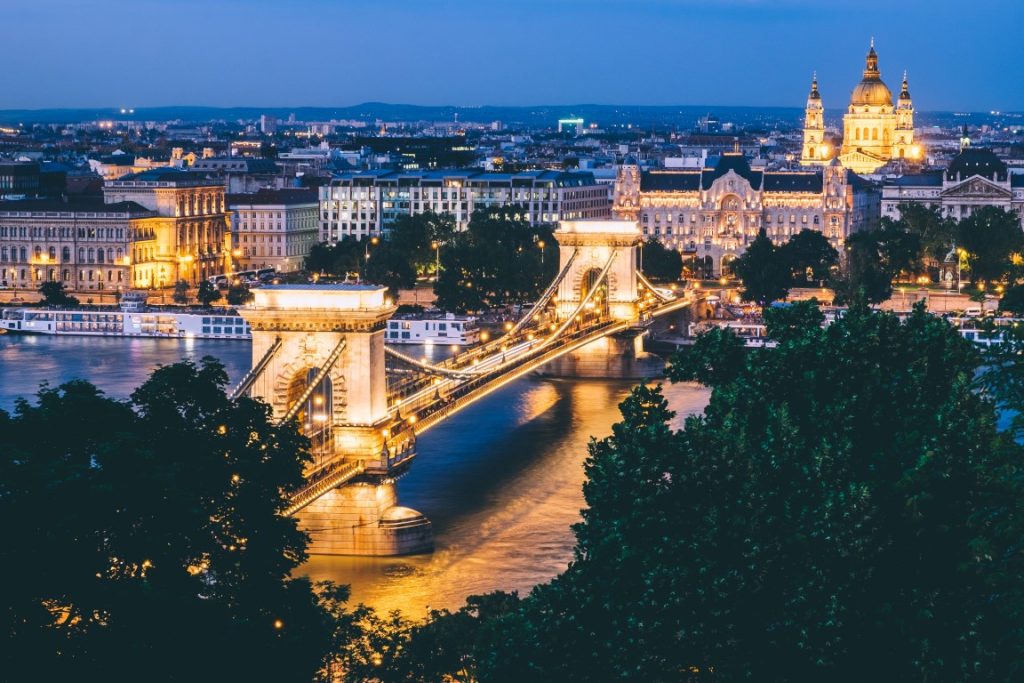
Take Váci Street. It’s one of the most famous pedestrian streets in Budapest, and there’s nothing wrong with walking along it. But if you sit down for a coffee, lunch or a snack, don’t assume that you’re getting the best value simply because you’re in the heart of the city.
The same goes for the immediate surroundings of major landmarks. A café right next to a famous sight may have a great location, but you’re often paying for that location too.
My simple rule? Look around before you sit down. Walk a couple of streets away, have a look at the menu, and compare prices. Sometimes the difference is surprisingly big, while the food, coffee or atmosphere can be just as good.
And this is one of the easiest budget tricks in Budapest because you don’t actually have to give anything up. You’re still in the city center. You’re just not paying extra for the privilege of sitting exactly where thousands of other tourists are sitting.

Don’t Feel Like You Have to Skip the Famous Thermal Baths
Budapest’s thermal baths are one of the city’s biggest attractions, and yes, they can take a noticeable bite out of your travel budget.
The most famous baths, such as Széchenyi Thermal Bath, are understandably popular. They’re beautiful, historic and very much part of the Budapest experience. If visiting one has been on your list forever, I wouldn’t tell you to skip it just to save a few thousand forints.
Instead, think about what kind of experience you’re actually looking for.
If your dream is to soak in the famous outdoor pools surrounded by that iconic yellow architecture, then Széchenyi may well be worth the splurge. But if you’re mainly looking for a relaxing thermal bath experience, Budapest has other options too, including Lukács Baths, which can be a different and often more budget-friendly choice.
I’ve actually had to learn this lesson myself. For years, I dreamed about going to the New York Café. I would walk past it, see the long line of people waiting outside and think how amazing it would be to finally go inside and take those ridiculously Instagram-friendly photos everyone seems to have.
But somehow, it always ended up lower on my list of things I was willing to spend money on. There was always something else that seemed more important.
Then I turned 50. I remember thinking: If I don’t allow myself this little luxury on my 50th birthday, when exactly am I going to do it?
So I finally went. I celebrated my birthday there with my mom and my Cuban husband, and honestly, I’m glad I did.
Was it the cheapest coffee I’ve ever had? Absolutely not. But that’s not really the point. Some experiences are worth paying for simply because you’ve wanted them for years.
And that’s exactly how I’d recommend approaching Budapest on a budget. Save money where you won’t miss it, but don’t be so focused on spending as little as possible that you miss the experiences you’ll remember long after you’ve gone home.
After all, there’s not much point in saving €10 on a coffee if you’re going to spend the whole afternoon wishing you’d gone to the place you actually wanted to see.
Explore Just a Little Further
One of the easiest ways to save money in Budapest is also one of the simplest: walk a little further.
You don’t have to leave the city center or hunt for some secret neighborhood nobody has heard of. Sometimes moving just a few streets away from the busiest tourist spots can make a noticeable difference.
The same goes for cafés, restaurants and everyday food. Instead of choosing the first place you see next to a major attraction, take a little time to look around. Budapest is full of smaller places tucked away on side streets, and you may find that the experience feels much more local too. And if you’re looking for ideas that won’t cost you anything, I’ve put together a whole guide to free things to do in Budapest.
So if you’re trying to keep your Budapest travel costs under control, don’t feel like you need to pay for an attraction every time you leave your hotel. Budapest is a city you can explore simply by walking, looking around and following your curiosity.
Pay in Forints or by Card
There is another easy way to avoid spending more than necessary in Budapest: pay attention to how you’re paying.
Hungary uses the Hungarian forint (HUF), and although euros are sometimes accepted in touristy places, I wouldn’t make a habit of paying in euros.
The exchange rate offered by a business may not be particularly favorable, and you could end up paying more simply because you’re using a currency that’s convenient for you rather than the local one.
Paying by card is usually the easiest option. If the card terminal asks whether you’d like to pay in HUF or your home currency, choosing HUF is generally the better choice. This lets your card provider handle the currency conversion rather than accepting the merchant’s own conversion rate.
It may sound like a tiny detail, but these small differences can add up over several days.
And here’s another little piece of advice: don’t exchange a large amount of money at the airport just because you need some Hungarian forints immediately. If you need cash, compare your options and check the exchange rate before handing over your money.
Budapest isn’t particularly difficult when it comes to payments, but being a little bit careful can help you keep more of your travel budget for the things you actually came here to enjoy.
Use Public Transportation Instead of Taxis
Budapest is a relatively easy city to get around without spending a fortune on transportation.
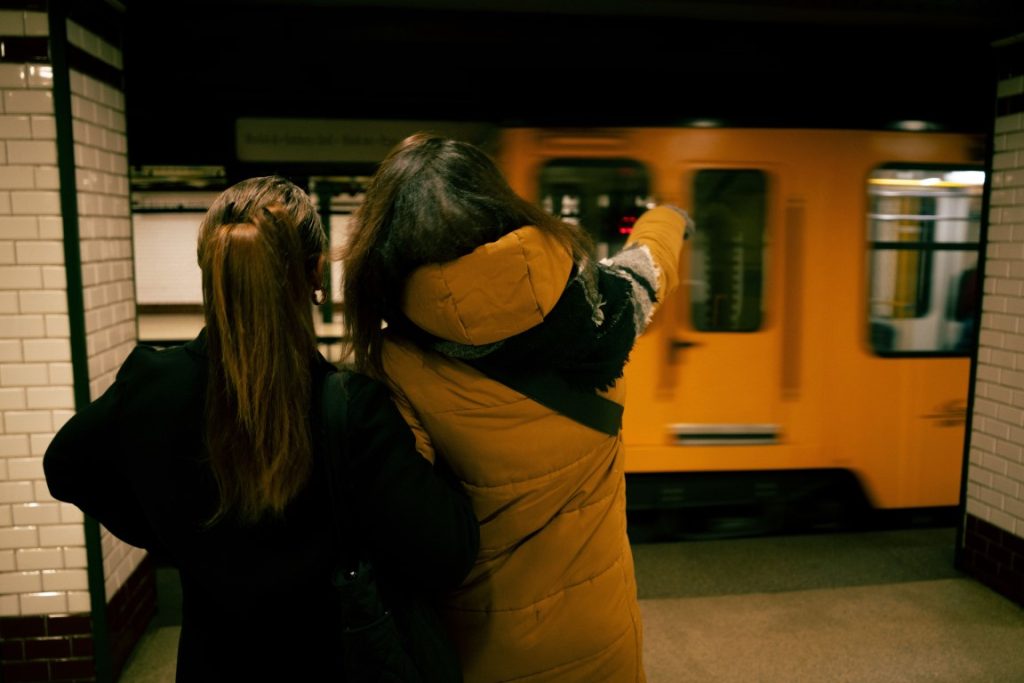
We have an extensive public transportation network, including metro, trams, buses and trolleybuses, and for most visitors, there’s very little reason to rely on taxis for every journey.
The Budapest public transport system can take you surprisingly far, and some of the rides are an experience in themselves. Take tram 2, for example. It runs along the Danube and gives you some pretty spectacular views of the city along the way. That’s basically sightseeing and transportation in one ticket. Not a bad deal.
If you’re staying somewhere central, you’ll probably also find yourself walking much more than you expected. Budapest is a very walkable city, especially around the main sights.
For longer journeys, check the current Budapest public transport ticket and travel pass options before your trip. Depending on how long you’re staying and how much you’ll be traveling, a single ticket, a 24-hour travelcard or another pass may make more sense.
Just remember that tickets generally need to be validated or used according to the rules. Budapest public transport inspectors do actually check tickets, so “I looked like I knew what I was doing” is unfortunately not a valid ticketing strategy.
 Don’t Try to See Everything in Three Days
This one isn’t exactly about saving money, but it can save you from spending money unnecessarily.
Budapest has enough attractions, museums, restaurants, cafés, thermal baths and viewpoints to keep you busy for days. You don’t need to turn your trip into a military operation where every hour has a reservation attached to it.
One of the easiest ways to increase your Budapest travel costs is to book something simply because you feel you should.
Another museum? Sure. Another guided tour? Why not. Another rooftop cocktail because everyone on Instagram seems to be drinking one? Obviously. And suddenly your “budget trip” has developed a rather expensive personality.
Instead, choose a few experiences that genuinely interest you and leave some room for wandering. You might discover a beautiful courtyard, stumble across a small café, spend an hour sitting by the Danube or find a neighborhood you hadn’t even planned to visit.
Those moments don’t always show up on a list of the best things to do in Budapest, but they can easily become some of your favorite memories.
Be Smart About Where You Eat
Food is one of the easiest places to accidentally overspend when traveling. And Budapest is no exception.
I’m not going to tell you to avoid restaurants in the city center altogether. Some of them are genuinely good, and sometimes you simply want to sit somewhere beautiful and enjoy a long Hungarian dinner.
But if you’re trying to keep your Budapest food costs under control, don’t assume that a restaurant is good value simply because it serves Hungarian food. Check the menu before you sit down, look at the prices, and if something feels suspiciously expensive, keep walking.
This is especially useful around the most tourist-heavy streets and squares. A restaurant can have a great location, a huge menu and a waiter standing outside inviting you in, but none of those things automatically mean it’s worth the price.
And please don’t think you have to eat goulash three times a day just because you’re in Hungary. Although, to be fair, I’m not going to stop you.
Budapest has a fantastic food scene beyond traditional Hungarian dishes too, from bakeries and cafés to casual restaurants and international cuisine.
If you’re looking for cheap eats in Budapest, a little research before you arrive can make a big difference. There are plenty of good-value places around the city, so save the splurge for the meal you’re actually excited about rather than spending more than necessary simply because you happened to be hungry at the wrong corner.
So, Is Budapest Still Cheap?
Well… it depends what you compare it with. If you’re expecting Budapest to cost the same as it did ten or fifteen years ago, you may get a bit of a shock. Budapest is not the dirt-cheap European destination it once was.
Prices have gone up, just like they have almost everywhere else in Europe. Accommodation, restaurants, attractions and thermal baths can all cost considerably more than they used to.
But that doesn’t mean Budapest has suddenly become an expensive city. Compared with destinations such as Paris, London, Amsterdam or Copenhagen, Budapest can still offer very good value for money.
And perhaps more importantly, you have a lot of control over how much you spend. You can choose where to splurge, where to keep things simple, and when to simply slow down and enjoy the city without spending anything at all.
That’s why I don’t think the most useful question is really “Is Budapest expensive?”
A better question is: “What kind of Budapest experience do I want, and what am I willing to spend money on?”
Because those are two very different things.
My Budapest Budget Travel Rule
If I had to give you just one piece of advice, it would be this: Don’t try to make everything cheap.
Make the things that don’t matter to you cheaper. Save where you won’t notice the difference, and spend on the experiences you’ll still be talking about long after you’ve gone home.
Maybe that’s a thermal bath you’ve dreamed about visiting. Maybe it’s a special dinner, a beautiful café or simply sitting somewhere with a view you won’t forget.
Don’t spend your entire trip worrying about money. You’re in Budapest. Enjoy it.
The goal of Budapest budget travel isn’t to see how little you can spend. It’s to make your money go further so you can spend it on the things you’ll actually remember.
And if you ask me, that’s a much better way to travel.
And if you’d like to capture your Budapest experience with beautiful professional photos, don’t forget to check out my lifestyle photoshoot in Budapest guide. After all, the best souvenirs don’t always come from a gift shop. Sometimes they’re the photos you’ll look back on years later.
If you enjoyed this blog post, follow me on Facebook, Instagram, and other social media for more Budapest inspiration, travel tips and behind-the-scenes content. For even more ideas, have a look at my constantly updated Pinterest boards, where I share Budapest inspiration, travel tips, recipes and more.